Psalm 126:1-6
This week’s responsorial psalm is from Psalm 126, a song of joy and thanksgiving, celebrating God’s deliverance of Israel from exile.
When the LORD brought back the captives of Zion, we were like men dreaming.
The opening verse recalls when God miraculously delivered Israel from exile. The experience was so incredible that it felt like a dream, too good to be true.
Mount Zion was a specific hill in Jerusalem, but it later came to represent the entire city. It was the location of the Temple, making it the heart of Jewish worship.
Then our mouth was filled with laughter, and our tongue with rejoicing.
The response to God’s deliverance is sheer joy, expressed through laughter and shouts of celebration. Their release and return were so extraordinary that it was almost beyond their comprehension.
This level of amazement suggests that they had lost hope of ever returning home. By painting this bleak picture, the psalmist demonstrates how helpless they were to rescue themselves. Only God had the power to change anything.
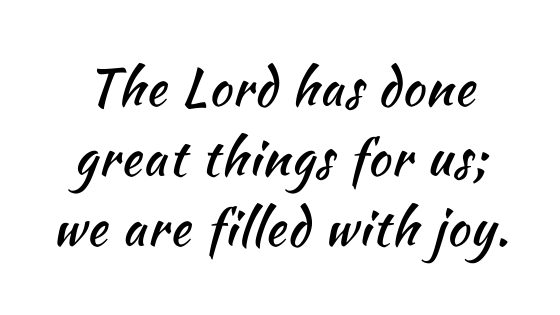
Then they said among the nations, “The LORD has done great things for them.” The LORD has done great things for us; we are glad indeed.
Even the surrounding nations recognized God’s intervention, acknowledging that something extraordinary had happened for Israel.
This act of deliverance demonstrated that God’s authority is not confined to a specific location or ethnic group. Though his power had long been exercised over the Israelites, it was now clear that the God of Israel had power even over foreign conquerors.
Both Israel and its neighbors marveled at God’s ability to reshape history and deliver his people from seemingly insurmountable circumstances.
Restore our fortunes, O LORD, like the torrents in the southern desert.
Having remembered God’s saving acts in the past, the psalmist now prays for ongoing restoration.
The “southern desert” is the Negeb, a dry desert region. Its watercourses (wadis) are dry for most of the year but flood with life-giving water after rains.
The image of torrential streams in the wadis describes the people’s hope for sudden and abundant renewal, just as rain can transform a barren landscape into a fertile one.
Those that sow in tears shall reap rejoicing. Although they go forth weeping, carrying the seed to be sown, they shall come back rejoicing, carrying their sheaves.
The imagery of sowing and reaping suggests that pain and hardship are part of a process that will ultimately yield joy. The sheaves symbolize the abundant blessings that follow faithfulness and endurance.
This psalm offers a message of hope, acknowledging life’s hardships but recalling God’s goodness and affirming that, in God’s time, their sorrow will turn to joy.

 Sunday Readings